

Why Lube Is Not Optional for Anal
A lube guide for men has to start with a statement of principle: anal sex without lube is not a good idea. The anus and rectum do not self-lubricate. The tissue is more delicate than vaginal tissue and microtears from insufficient lubrication create routes for STI transmission and cause pain. Lube is not an accessory for anal play. It is a requirement.
The same applies to toy use: most toys benefit from lube, and for any toy used anally, generous lube application is non-negotiable.
Water-Based Lube
Water-based lube is the most versatile option and the correct choice for toy use. It is compatible with all toy materials including silicone, TPE, glass, and metal. It does not degrade condoms. It rinses off easily. For anyone using toys, water-based is the default.
The limitation of water-based lube for sex rather than toy use is that it dries out during use more quickly than other types, particularly in the absence of additional moisture. Reapplication is normal and expected during extended sessions.
Silicone-Based Lube
Silicone lube is longer-lasting than water-based, does not dry out during use, and is excellent for anal sex where reapplication needs to be minimal. It feels smoother and more slippery than water-based.
The critical limitation: silicone lube degrades silicone toys. Using silicone lube with a silicone dildo or plug will eventually damage the toy surface. Silicone lube is suitable for use with metal, glass, and condom-covered toys. Not suitable for direct use with silicone, TPE, or rubber toys.
Oil-Based Lube
Natural oils like coconut oil are sometimes used as lube and are effective for anal sex and masturbation. The limitations are significant for some use cases: oil degrades latex condoms (do not use oil with latex condoms), oil is difficult to clean thoroughly from toys and from the body, and oil can disrupt vaginal or rectal flora balance in some people.
For solo use without condoms and with non-latex or no toys in play, oil-based options are reasonable. For partnered sex with condoms, stick to water-based or silicone.
Anal-Specific Lube
Anal-specific formulations are typically thicker water-based lubes with longer-lasting texture. Some also include a desensitising ingredient. The desensitising component is worth approaching carefully: pain during anal play is useful information that tells you to slow down or stop. Numbing the area removes that feedback. Using a desensitising lube in a first session is not recommended.
How Much Lube Is Enough?
More than you think. This comes up in every lube conversation because it is genuinely one of the most common mistakes. Start with what feels like a significant amount applied to both the toy or partner and the external area. Once insertion begins, reapply at the first sign of any resistance or dragging sensation. Running out of lube mid-session is avoidable with a little over-preparation.
Lube and Condoms
Water-based lube is compatible with all condom types: latex, polyurethane, and polyisoprene. Silicone lube is compatible with all condom types. Oil-based lube is compatible with polyurethane and polyisoprene only, not latex.
A small amount of water-based lube inside the condom before fitting improves sensation for the wearer and reduces friction.
Note on Poppers and Lubricants
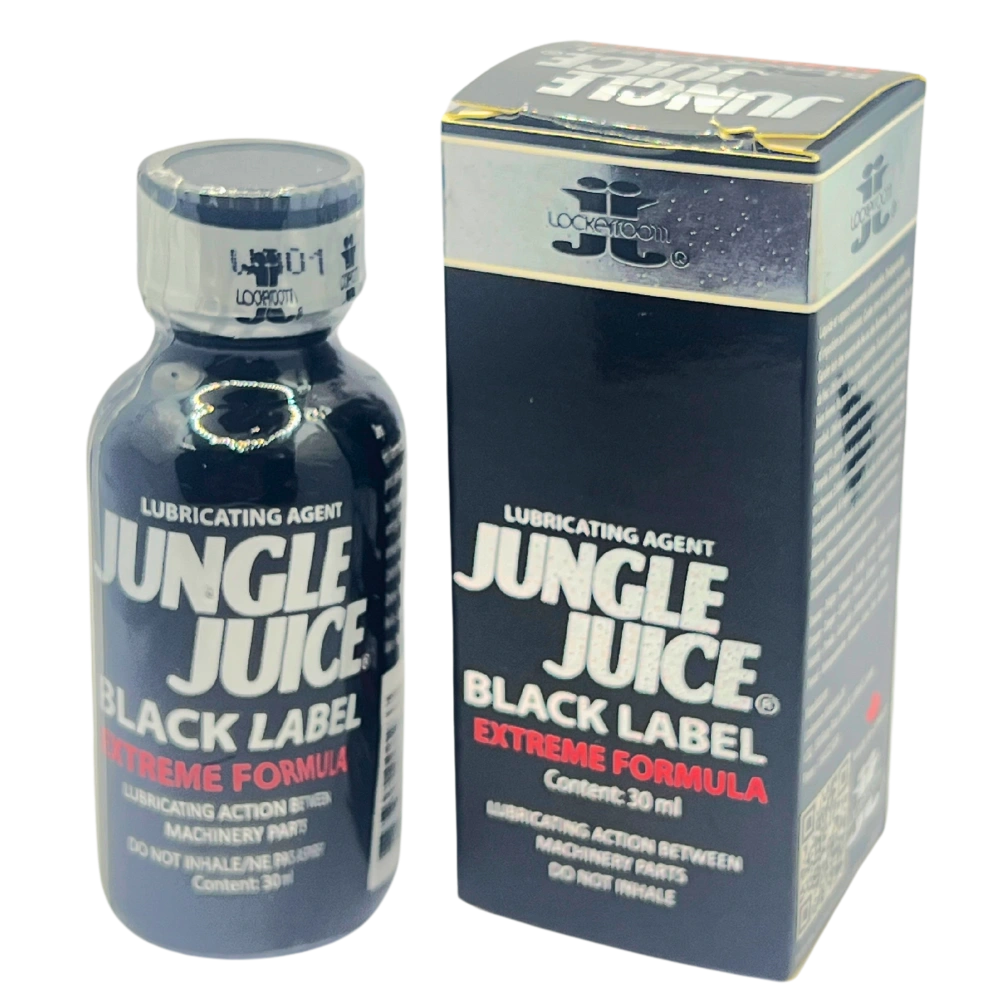
Several products in the Manatomy shop are listed under machine lubricant for legal compliance reasons. These include the Jungle Juice Black Label, Gold Label, and Platinum Label, and the Amsterdam 30ml. For session-related use of inhalants alongside lubricants, see the BDSM guide for context on how they are used in kink settings.
Related guides: Safe Anal Sex: A Practical Guide for Gay Men • Sex Toy Materials Guide: Silicone, TPE, Metal, Glass and More
Shop the range: anal play
